
Introduction
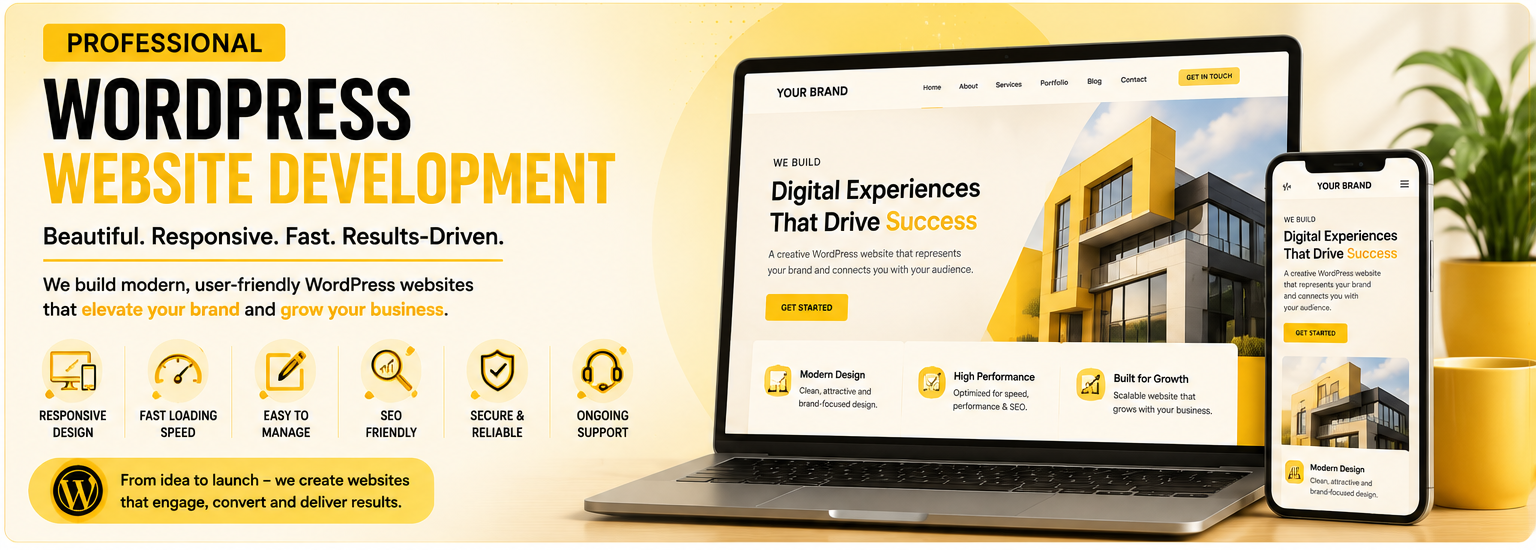
A professional website is one of the most important digital assets for any modern business. It is often the first place where potential customers learn about a company, explore its services, understand its values, and decide whether they want to make contact. A website should not only look attractive; it should also communicate clearly, load smoothly, work well on every device, and guide visitors toward meaningful actions.
Many businesses have websites that are outdated, difficult to manage, visually inconsistent, slow to load, or not designed around the needs of their customers. In some cases, the website may contain useful information but fail to present it in a way that builds trust or encourages engagement. In other cases, the site may look modern but lack the structure needed for visitors to find services, understand the business, or submit an inquiry.
This case study explains how CnEL India approaches a professional website development project for a business that wants to strengthen its online presence. The focus is on creating a visually appealing, user-friendly, responsive, and easy-to-manage website that aligns with the client’s brand identity and supports long-term business growth.
The goal is not simply to create a collection of web pages. The objective is to build a digital platform that represents the business professionally, communicates its value clearly, supports customer engagement, and creates a strong foundation for future marketing and expansion.
Business Background
Businesses of all sizes need a clear and trustworthy online presence. Whether the company provides professional services, operates locally, sells products, offers consulting, manages a growing brand, or serves a niche audience, its website plays a major role in shaping customer perception.
A visitor may arrive through a search engine, social media post, referral, advertisement, email campaign, or direct link. Within a few seconds, they begin evaluating the business based on the website’s appearance, clarity, structure, speed, and ease of use.
If the site is confusing, outdated, difficult to navigate, or not mobile-friendly, the visitor may leave without taking action. This can result in lost leads, missed sales opportunities, reduced trust, and weaker brand visibility.
CnEL India helps businesses address these challenges by creating websites that combine strong visual design with practical structure and smooth user experience.
Project Objectives
The main objective of this project is to develop a professional website that reflects the client’s brand identity and helps the business engage its target audience effectively.
The website should support the following goals:
- Create a strong first impression
- Present the brand professionally
- Clearly explain services or offerings
- Improve customer trust
- Make information easy to find
- Encourage inquiries and conversions
- Work smoothly across devices
- Support search visibility
- Be easy for the business to update
- Provide a scalable foundation for future growth
Every part of the website is planned around the business’s goals, customer expectations, and long-term digital needs.
Understanding the Brand
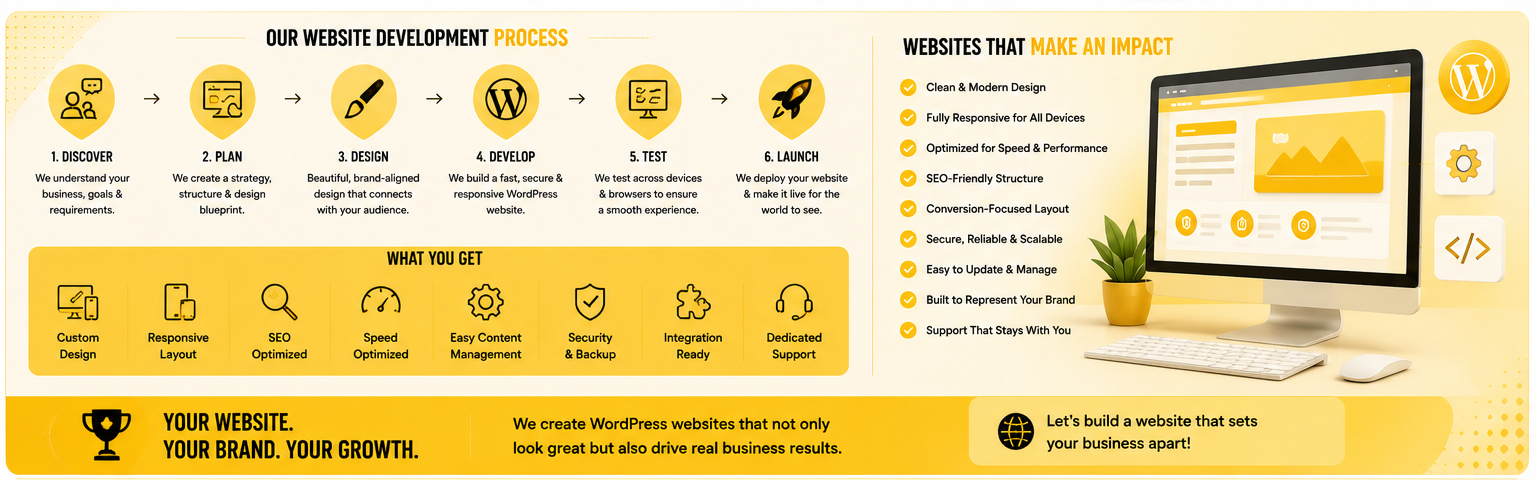
Before starting the design and development process, CnEL India begins with a discovery phase. This stage is important because a website should represent the personality, values, and positioning of the business rather than follow a generic layout.
The discovery process focuses on understanding:
- The business model
- Core services or products
- Target audience
- Brand values
- Competitors
- Existing visual identity
- Marketing goals
- Customer questions
- Conversion priorities
For example, a professional service business may need a website that communicates expertise and trust. A creative brand may need a more visual and expressive experience. A local business may need to focus on service details, location information, reviews, and inquiry options.
This understanding helps create a website that feels aligned with the business instead of looking like a standard template.
Website Planning and Structure
A well-designed website begins with a clear structure. Visitors should be able to understand where they are, what the business offers, and what action they should take next.
CnEL India plans the website architecture around the most important information and user journeys.
A typical website structure may include:
- Home page
- About page
- Services page
- Individual service details
- Portfolio or project showcase
- Testimonials or reviews
- Blog or resource section
- Contact page
- Frequently asked questions
- Privacy and policy pages
The exact structure depends on the business and its goals. The aim is to create logical navigation that helps visitors move through the site naturally.
Homepage Development
The homepage is often the most important page on the website because it introduces the business and guides visitors toward the next step.
CnEL India designs the homepage to communicate the brand message quickly and clearly.
A strong homepage may include:
- A clear headline
- A short introduction to the business
- Key service highlights
- Important benefits
- Trust-building elements
- Visual content
- Customer testimonials
- Call-to-action sections
- Contact or inquiry prompts
The homepage should answer the visitor’s main questions: What does this business do? Who is it for? Why should I trust it? What should I do next?
By presenting this information in a structured and visually engaging way, the website creates a stronger connection with potential customers.
Visual Design Approach
Visual design is not only about colors and images. It is about creating a consistent experience that reflects the brand’s personality.
CnEL India develops a visual style that may include:
- Brand-aligned colors
- Professional typography
- Clean spacing
- Consistent buttons
- Custom graphics
- Relevant imagery
- Clear visual hierarchy
- Balanced page layouts
The goal is to make the website look polished and trustworthy while keeping it easy to read and navigate.
A professional visual identity improves brand recognition and helps visitors feel confident in the business.
User Experience Design
User experience refers to how easily visitors can use the website.
CnEL India focuses on making the website simple, intuitive, and comfortable for visitors.
Important user experience elements include:
- Clear navigation
- Easy-to-read content
- Logical page flow
- Visible contact options
- Simple inquiry forms
- Helpful calls to action
- Fast-loading pages
- Mobile-friendly layouts
The website should not force visitors to search for important information. Instead, it should guide them naturally from one section to another.
A better user experience leads to longer visit times, more inquiries, and stronger customer trust.
Responsive Website Development
Today, visitors access websites from many different devices, including smartphones, tablets, laptops, and desktop computers.
CnEL India ensures that the website is responsive and works smoothly across all screen sizes.
Responsive development includes:
- Mobile-friendly navigation
- Flexible layouts
- Readable text on smaller screens
- Optimized images
- Touch-friendly buttons
- Proper spacing
- Smooth scrolling
- Easy form completion
A mobile-friendly website is essential because many visitors now browse, compare services, and submit inquiries directly from their phones.
Content Presentation
Even strong content can fail if it is not presented clearly.
CnEL India helps organize website content so that visitors can quickly understand the business and its offerings.
Content is structured using:
- Clear headings
- Short paragraphs
- Service sections
- Benefit-focused messaging
- Supporting visuals
- Frequently asked questions
- Testimonials
- Action prompts
The aim is to avoid overwhelming visitors with large blocks of text while still providing enough information to build confidence.
Service Page Development
Service pages are important because they help visitors understand exactly what the business offers.
CnEL India creates service pages that explain:
- What the service includes
- Who the service is for
- Key benefits
- Process or workflow
- Expected outcomes
- Frequently asked questions
- Next steps
Each page is designed to answer common customer questions and encourage visitors to make contact.
Well-structured service pages can significantly improve lead generation because they provide clear information before the visitor reaches out.
Contact and Inquiry Experience
A website should make it easy for interested visitors to contact the business.
CnEL India creates clear contact pathways that may include:
- Inquiry forms
- Contact details
- Appointment request options
- Service selection fields
- Location information
- Business hours
- Social media links
The contact process should be simple and easy to complete.
A well-designed inquiry form collects the information needed by the business while avoiding unnecessary complexity for the visitor.
Search Visibility Foundation
A website should be designed in a way that supports discoverability.
CnEL India creates a structured foundation that helps search engines understand the website’s pages and content.
This includes:
- Clear page titles
- Logical heading structure
- Organized content
- Internal linking
- Descriptive page URLs
- Image descriptions
- Fast page performance
- Mobile responsiveness
These improvements help the website become easier to find and understand over time.
Website Performance
Website speed is important for both user experience and search visibility.
Slow websites can frustrate visitors and increase the chance that they leave before viewing important content.
CnEL India focuses on improving performance through:
- Image optimization
- Clean page structure
- Efficient content loading
- Reduced unnecessary elements
- Mobile performance checks
- Lightweight design practices
A fast and smooth website creates a better experience and helps keep visitors engaged.
Accessibility Considerations
A professional website should be usable by as many people as possible.
CnEL India considers accessibility by focusing on:
- Readable text
- Clear color contrast
- Logical navigation
- Descriptive labels
- Easy-to-use forms
- Structured content
- Keyboard-friendly interaction where required
Accessibility improves usability for all visitors, not only those with specific needs.
Content Management and Ease of Updates
A website should remain useful after launch. Businesses need the ability to update content, add services, publish articles, change images, and manage basic information without rebuilding the site.
CnEL India develops websites with easy content management in mind.
The business can update key areas such as:
- Text content
- Images
- Service details
- Blog posts
- Testimonials
- Contact information
- Promotional sections
This gives the business more control over its online presence and reduces dependency on technical support for every small change.
Testing and Quality Assurance
Before launch, the website goes through a complete quality review process.
CnEL India tests:
- Navigation links
- Forms
- Mobile layouts
- Desktop layouts
- Content display
- Image quality
- Loading performance
- Contact functions
- Browser compatibility
- Page responsiveness
Testing helps identify issues before the website is made public.
The goal is to ensure that visitors receive a smooth and professional experience from the first day.
Website Launch Process
Launching a website requires more than publishing pages.
CnEL India follows a structured launch process that includes:
- Final content review
- Design approval
- Functionality testing
- Mobile checks
- Performance checks
- Contact form verification
- Search visibility setup
- Security review
- Backup preparation
This organized process reduces launch risks and ensures that the website is ready for visitors.
Ongoing Support and Growth
A website should evolve as the business grows.
CnEL India can provide ongoing support for:
- Content updates
- New page creation
- Design improvements
- Performance monitoring
- Search visibility enhancements
- Security checks
- Feature additions
- Conversion improvements
Ongoing support helps the website remain current, useful, and aligned with changing business needs.
Challenges Solved by CnEL India
This project addresses common website challenges such as:
- Outdated design
- Weak brand presentation
- Poor mobile experience
- Confusing navigation
- Low customer engagement
- Difficult content updates
- Slow loading pages
- Weak inquiry flow
- Limited search visibility
- Lack of scalability
The result is a modern website that supports both customer experience and business growth.
Business Outcomes Delivered
A professionally developed website can help a business achieve:
- Stronger online credibility
- Improved customer engagement
- Better brand visibility
- More inquiries
- Higher conversion opportunities
- Easier content management
- Better mobile usability
- Improved customer trust
- Stronger search visibility
- Long-term digital growth
The website becomes a central platform for marketing, communication, and lead generation.
Why CnEL India
CnEL India combines expertise in website planning, visual design, responsive development, user experience, content organization, performance improvement, and long-term digital support.
The approach focuses on understanding the business first and then creating a website that supports real customer journeys and measurable goals.
Every website is designed to be professional, easy to use, scalable, and aligned with the client’s brand identity.
Conclusion
This case study demonstrates how CnEL India approaches professional website development as a complete digital growth project rather than a simple design task.
By combining brand understanding, structured planning, visual design, responsive development, clear content presentation, user-friendly navigation, performance optimization, and ongoing support, CnEL India helps businesses create websites that make a strong impression and deliver real business value.
The final website becomes more than an online brochure. It becomes a reliable digital platform that communicates the brand, engages visitors, supports customer inquiries, and provides a strong foundation for future business growth.