
Case Study by CnEL India
Introduction
The film industry is undergoing one of the most significant transformations in its history. Advances in artificial intelligence, digital production, and virtual filmmaking are enabling creators to produce cinematic experiences that were once impossible within traditional production constraints. However, despite these technological advancements, one challenge remains constant—creating films that feel genuinely human.
Many AI-assisted productions suffer from overly polished visuals, unrealistic facial expressions, inconsistent characters, artificial movements, and emotionally disconnected storytelling. Audiences can often recognize AI-generated content immediately because it lacks the subtle imperfections and emotional depth found in traditional filmmaking.
This case study explores how CnEL India approaches an ambitious feature film production project focused on blending advanced AI-assisted production techniques with authentic cinematic storytelling. The project’s vision is not to showcase technology but to create a feature film that audiences experience as emotionally authentic, visually grounded, and artistically compelling.
Rather than producing isolated visual assets, the engagement centers on building a complete production workflow capable of supporting long-form storytelling while preserving the creative vision of the director and maintaining consistency across hundreds of scenes.
Project Background
The project involves the production of a full-length feature film intended for international festival submission.
Unlike short promotional videos or experimental visual demonstrations, this production requires every creative element to contribute toward a cohesive cinematic narrative.
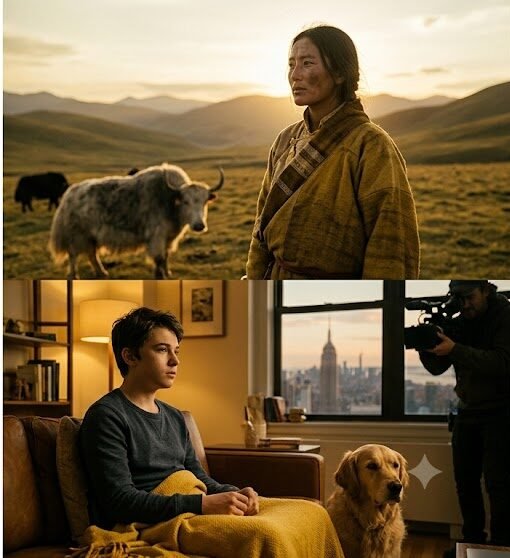
The story follows two teenagers from completely different worlds:
- A Tibetan nomad girl
- A disabled boy from Manhattan
Their lives represent vastly different cultures, experiences, and environments, yet the narrative explores themes of identity, understanding, resilience, and human connection.
The script, principal story structure, character development, and locations have already been finalized.
The production challenge now lies in transforming this carefully developed screenplay into a visually convincing cinematic experience.
Business Objectives
CnEL India begins by understanding the project’s primary creative and production objectives.
The goals include:
- Produce cinematic-quality visuals
- Maintain realistic human emotions
- Preserve narrative consistency
- Build an efficient production workflow
- Ensure character continuity
- Support long-form storytelling
- Maintain director-led creative control
- Prepare the film for international festival standards
Unlike commercial advertising projects, artistic integrity remains the highest priority.
Understanding Long-Form Storytelling
Creating a feature film differs significantly from producing individual promotional visuals.
Every shot must contribute to:
- Character development
- Narrative pacing
- Emotional progression
- Scene continuity
- Visual rhythm
- Audience immersion
CnEL India approaches each generated scene as one part of a much larger storytelling experience.
The emphasis remains on cinematic storytelling rather than isolated visual quality.
Director-Centered Production
Successful filmmaking depends on a unified creative vision.
CnEL India structures the production workflow around the director’s established vision by ensuring that every scene aligns with:
- Story themes
- Character motivations
- Emotional tone
- Visual language
- Cinematic pacing
Technology supports the creative process rather than replacing artistic decision-making.
Visual Style Development
One of the project’s defining objectives is achieving realism that resembles traditional cinema rather than synthetic imagery.
CnEL India develops a visual framework focused on:
Natural Lighting
Scenes reflect believable environmental lighting rather than exaggerated digital effects.
Organic Textures
Visual surfaces retain natural imperfections.
Cinematic Composition
Camera framing supports emotional storytelling.
Film-Like Atmosphere
The imagery evokes classic cinematic aesthetics instead of artificial perfection.
Consistency across the entire production remains essential.
Character Consistency
Feature films require viewers to emotionally connect with recurring characters.
CnEL India establishes systems that preserve:
- Facial consistency
- Clothing continuity
- Emotional expressions
- Physical movement
- Environmental interaction
Maintaining consistency strengthens audience immersion throughout the film.
Emotional Storytelling
Realistic emotions distinguish memorable cinema from visually impressive demonstrations.
CnEL India prioritizes:
- Authentic facial expressions
- Natural body language
- Emotional pacing
- Character vulnerability
- Quiet dramatic moments
These elements create believable human experiences.
Scene Planning
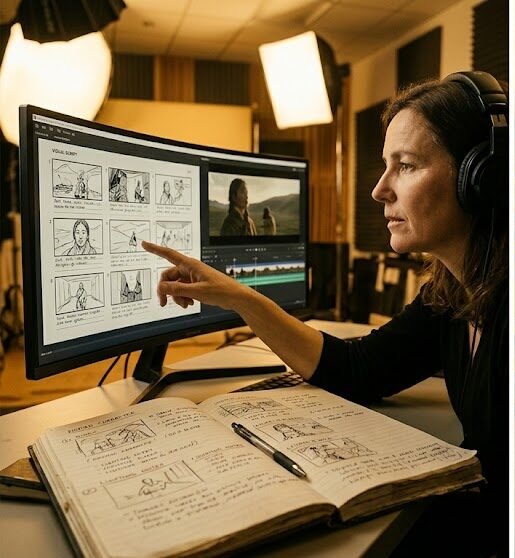
Before visual production begins, every scene undergoes careful planning.
CnEL India evaluates:
- Story purpose
- Emotional objectives
- Character positioning
- Camera movement
- Environmental context
- Scene transitions
Detailed planning minimizes inconsistencies during production.
Cinematic Continuity
A feature film consists of hundreds of connected scenes.
CnEL India ensures continuity across:
- Lighting
- Costumes
- Character appearance
- Environmental details
- Camera angles
- Visual tone
Consistency prevents distractions for the audience.
Shot Generation Workflow
Each approved scene follows a structured production workflow.
The process includes:
- Reviewing the screenplay
- Understanding the director’s vision
- Creating visual references
- Producing candidate shots
- Conducting quality review
- Selecting final sequences
Every shot serves the narrative rather than existing independently.
Sequence Evaluation
Individual scenes may appear visually impressive but still fail when placed within a sequence.
CnEL India evaluates:
- Transition smoothness
- Emotional rhythm
- Narrative clarity
- Visual consistency
- Character progression
Only scenes supporting the complete sequence move forward.
Dialogue Integration
Dialogue should complement visual storytelling rather than dominate it.
CnEL India collaborates with the creative process by ensuring dialogue:
- Reflects authentic speech
- Matches character personalities
- Supports emotional development
- Maintains narrative pacing
Natural conversations strengthen audience engagement.
Quality Control Process
Quality assurance remains one of the most important stages of production.
Every completed scene undergoes detailed review.
CnEL India verifies:
Character Accuracy
Consistency across scenes.
Visual Realism
Natural appearance without artificial artifacts.
Emotional Authenticity
Believable human reactions.
Environmental Continuity
Matching backgrounds and locations.
Story Alignment
Support for screenplay objectives.
Only approved scenes proceed to the next production stage.
Production Collaboration
Feature film production requires continuous communication.
CnEL India establishes collaborative workflows that support:
- Director feedback
- Creative revisions
- Daily progress reviews
- Scene approvals
- Production tracking
Clear communication reduces misunderstandings and improves efficiency.
Managing Long-Term Production
Unlike short-term creative projects, feature film production spans many months.
CnEL India develops structured workflows covering:
- Asset organization
- Scene tracking
- Version management
- Revision history
- Production milestones
Organization becomes increasingly valuable as production progresses.
Technical Consistency
Maintaining consistent technical quality is essential throughout the film.
CnEL India reviews:
- Image resolution
- Frame consistency
- Lighting accuracy
- Color harmony
- Scene composition
Technical reliability supports artistic quality.
Human Review Process
Although advanced production techniques accelerate content generation, human evaluation remains central to the workflow.
CnEL India incorporates review stages where creative decisions consider:
- Emotional impact
- Story clarity
- Audience engagement
- Cinematic quality
Human judgment preserves artistic authenticity.
Festival Readiness
Since the project targets international film festivals, production quality must meet professional cinematic expectations.
CnEL India aligns production with standards emphasizing:
- Narrative cohesion
- Visual consistency
- Artistic originality
- Technical excellence
- Emotional storytelling
Festival audiences expect authenticity rather than technological demonstrations.
Scalability of Production
Long-form productions require hundreds or even thousands of visual assets.
CnEL India develops scalable production methods capable of supporting:
- Multiple locations
- Numerous characters
- Extended timelines
- Large scene libraries
- Efficient revisions
Scalable workflows improve production efficiency without sacrificing quality.
Project Delivery Framework
CnEL India follows a structured production methodology.
Phase 1 – Creative Discovery
Understand story, characters, and artistic vision.
Phase 2 – Visual Planning
Develop cinematic style and production guidelines.
Phase 3 – Scene Development
Produce visual sequences aligned with the screenplay.
Phase 4 – Quality Review
Evaluate realism, continuity, and emotional impact.
Phase 5 – Sequence Assembly
Review complete narrative flow.
Phase 6 – Final Refinement
Implement creative revisions and prepare final production assets.
Challenges Solved by CnEL India
This engagement addresses several challenges common in AI-assisted filmmaking:
- Artificial-looking visuals
- Inconsistent characters
- Weak emotional expression
- Poor scene continuity
- Narrative fragmentation
- Production inefficiencies
- Quality control limitations
- Long-term asset management
The result is a disciplined production process capable of supporting professional feature filmmaking.
Business Outcomes Delivered
Organizations and filmmakers working with CnEL India benefit from:
- Cinematic-quality visual production
- Strong narrative consistency
- Realistic emotional storytelling
- Efficient production workflows
- Better collaboration between creative teams
- Improved quality assurance
- Scalable long-form production capabilities
- Festival-ready production standards
These outcomes help transform ambitious creative concepts into professionally executed cinematic experiences.
Why CnEL India
CnEL India combines expertise in:
- Digital filmmaking workflows
- Long-form visual storytelling
- Creative production management
- Quality assurance
- Cinematic design principles
- Character consistency
- Production planning
- Collaborative creative execution
Every project is approached with the understanding that technology should enhance storytelling rather than overshadow it.
Conclusion
This case study demonstrates how CnEL India approaches AI-assisted feature film production through a balance of creative direction, structured workflows, technical consistency, and human-centered storytelling.
Rather than focusing solely on visual generation, the emphasis remains on building emotionally authentic cinematic experiences that preserve the director’s vision, maintain narrative continuity, and meet the demanding standards of professional feature filmmaking.
By combining disciplined production management, realistic visual execution, comprehensive quality control, and collaborative creative processes, CnEL India helps filmmakers transform innovative concepts into compelling cinematic works capable of engaging audiences and competing on the international stage.